Guides
Privacy compliance
Policies, labels, and disclosure habits.
App StoreGoogle PlayData SafetyApp reviewPublishing checklists
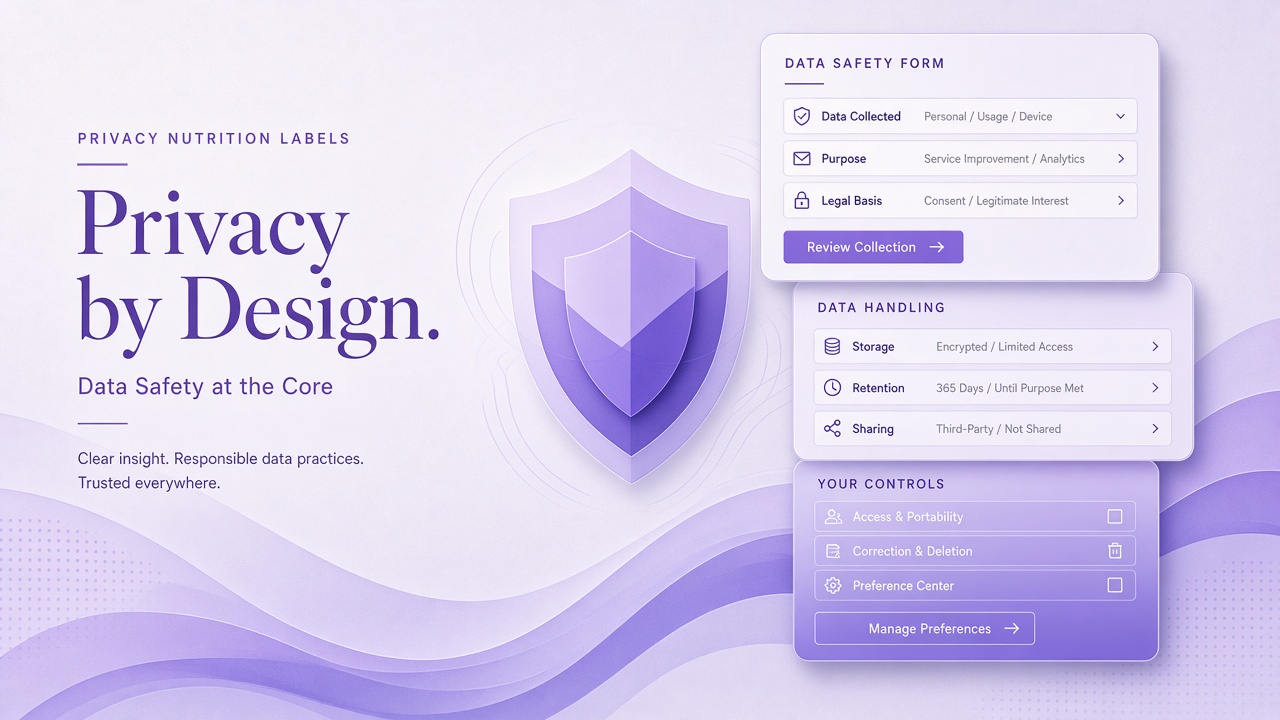
App Store privacy nutrition labels complete guide
Map nutrition labels to real SDKs—data types, linked-to-user, and tracking—without checkbox guessing.
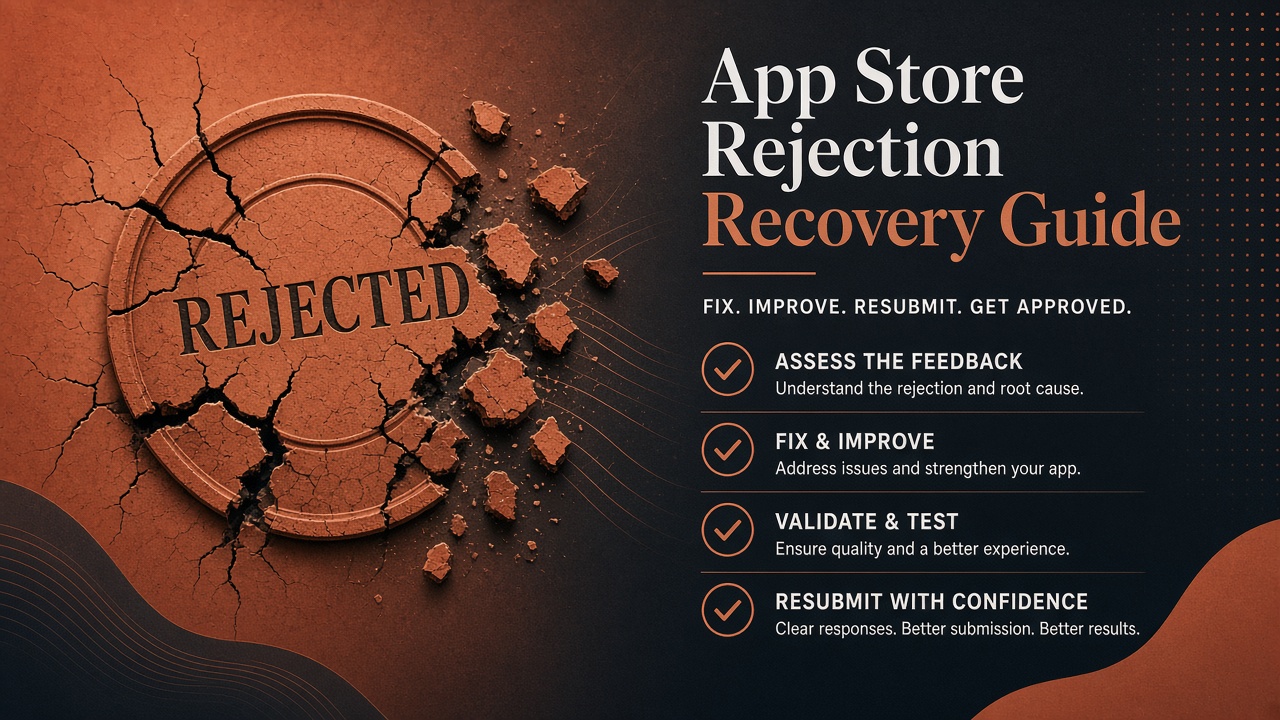
Guideline 5.1.1 data collection rejection handling
Fix 5.1.1 issues: permission purpose strings, data minimization, and label/behavior consistency.
Privacy policy URL requirements
Accessibility, required sections, and consistency with nutrition labels / Data Safety.
ATT and tracking SDK disclosure checklist
When ATT prompts are required, how labels reflect tracking SDKs, and policy wording.
Purpose strings for Guideline 5.1.1(ii)
Write purpose strings that name the exact feature—not vague “better experience” copy.
Permission pre-prompts: Continue, not Allow
Avoid 5.1.1(iv) traps: custom screens that say Allow before the system alert, or denied panels shown too early.

In-app account deletion requirement
If your app supports account creation, provide an in-app deletion path and document it for review.
Live privacy policy URL vs repo drafts
Reviewers read the public URL. Unpublished repo docs do not count; name third parties on the live page.
Play prominent disclosure for user data
Sensitive user data needs prominent in-app disclosure and consent—not only a buried settings page—aligned to Data Safety.
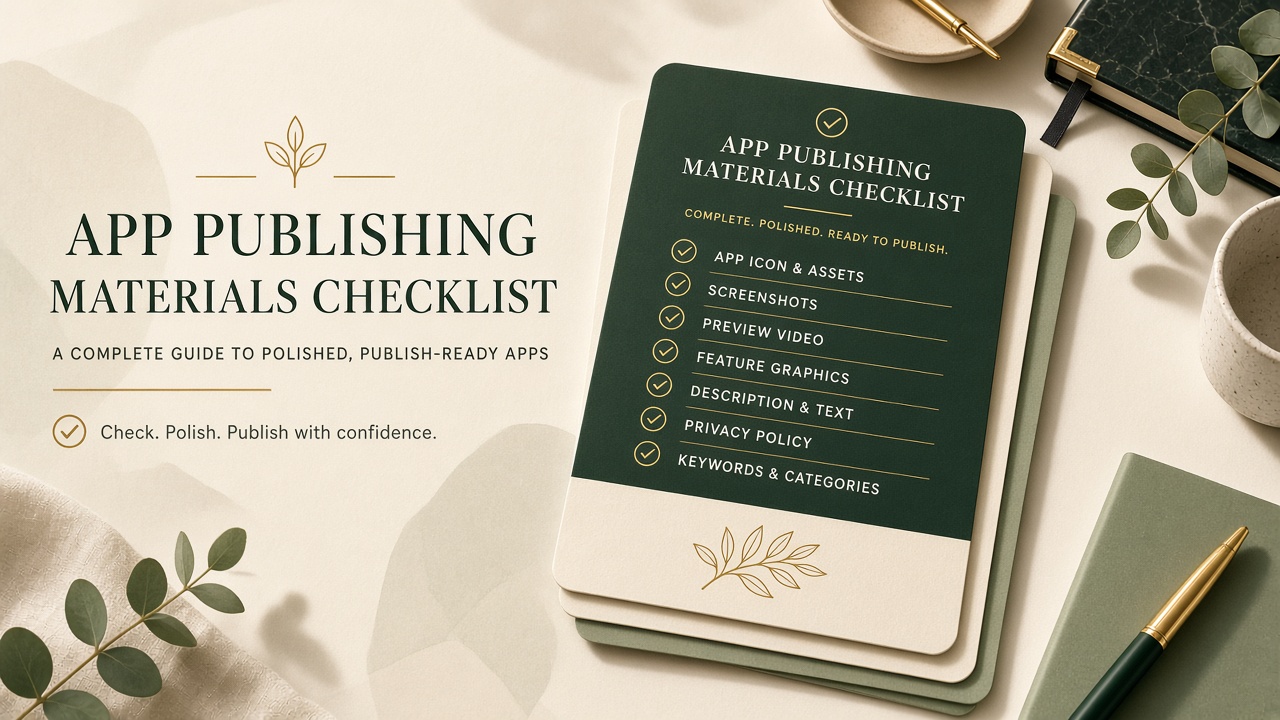
UGC apps: reporting and safety checklist for review
Before submitting UGC apps: reporting entry points, filters, human review, safe demo feeds, and review notes that explain your safety workflow.
Dual-store privacy alignment matrix
One SDK/data fact table driving App Store nutrition labels, Play Data Safety, and your public privacy policy—so the three never drift.
Align Play ads declaration and target audience
Keep ads declaration, target age, content ratings, and Data Safety on one fact sheet so child and ads policies do not conflict.