Guides
Google Play
Data Safety, tracks, closed testing, listings.
App StorePrivacy complianceData SafetyApp reviewPublishing checklists

Google Play first launch checklist (2026)
First-launch Play checklist covering AAB, Data Safety, ratings, tracks, and closed testing. No approval promise.
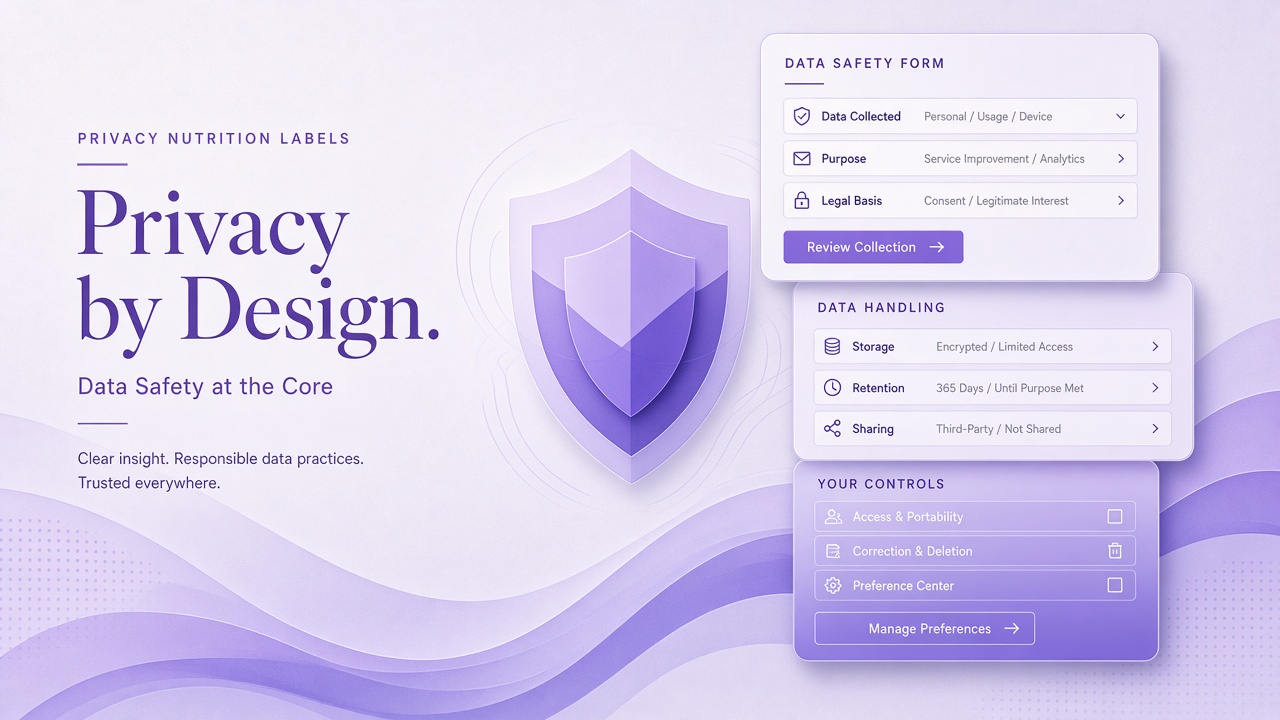
Google Play Data Safety form walkthrough
Step-through for Data Safety: collection, sharing, encryption, deletion—aligned to your privacy policy.

Google Play closed testing requirements (2026)
Closed testing by account type: tester counts, duration, evidence structure—never forged testers.
Avoid Play deception / misrepresentation flags
Keep feature copy, screenshots, and Data Safety aligned to the shipped binary.
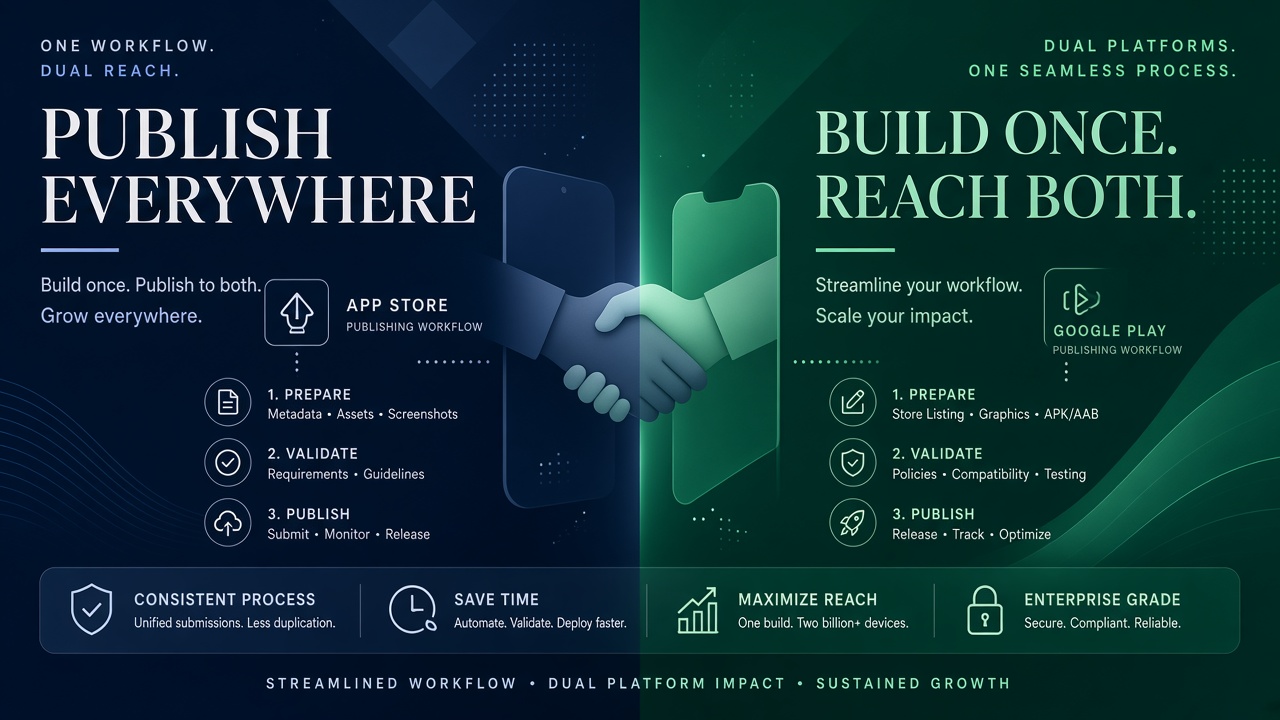
Dual-store publishing workflow
Share product story and privacy facts once, then land Connect vs Console differences deliberately.
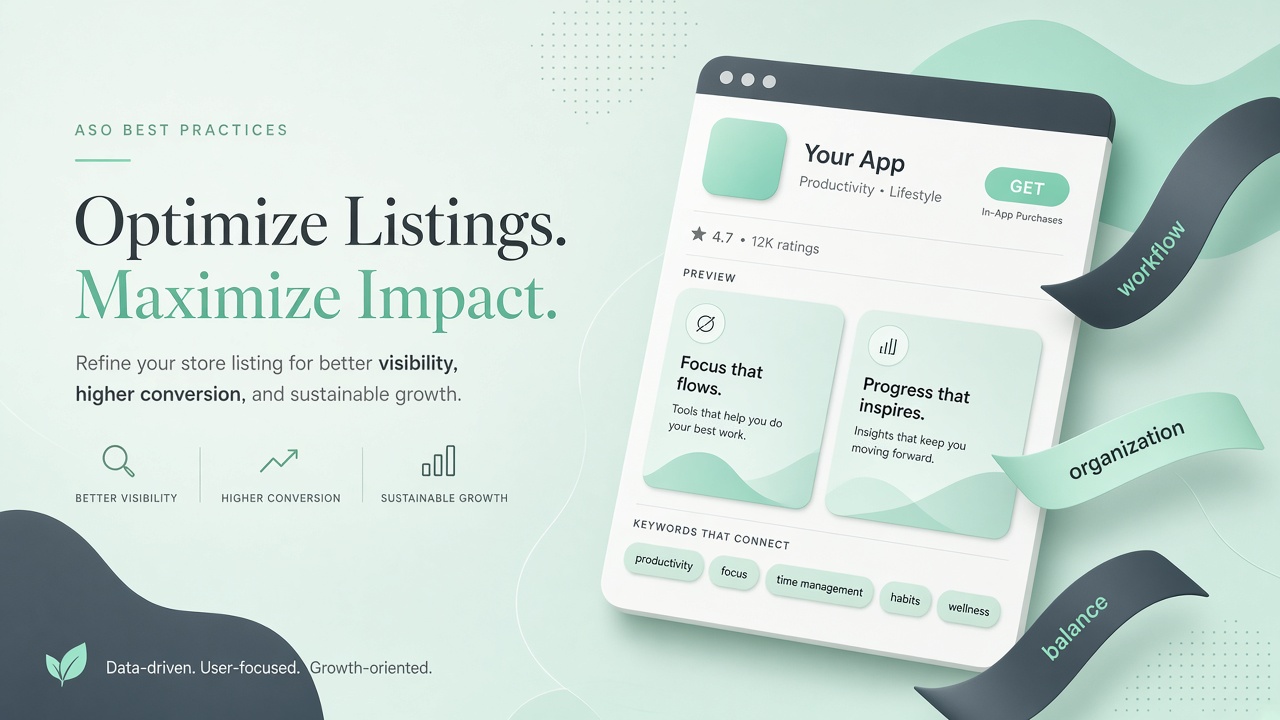
ASO title / subtitle / description strategy
Structure titles, subtitles, and descriptions for clarity—no ranking guarantees.
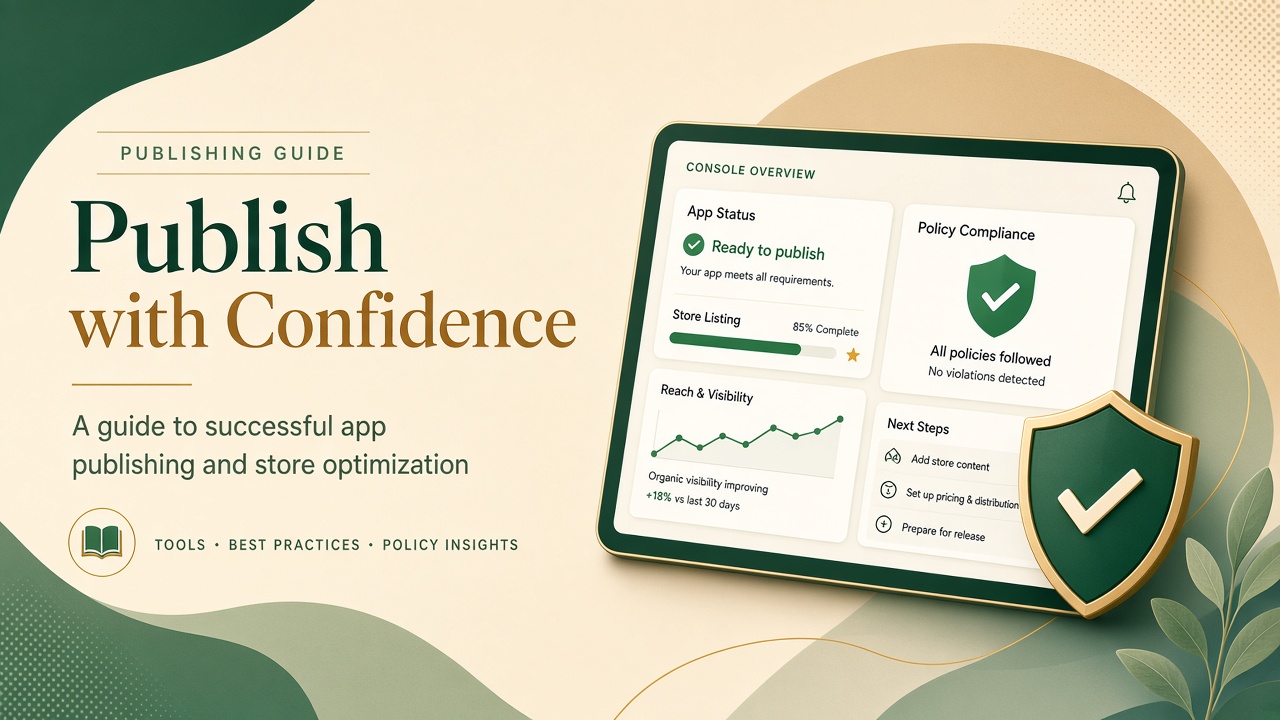
Google Play screenshot specs
Phone/tablet screenshot guidance and consistency with short/full descriptions.
Age / content rating questionnaire guide
Common traps in rating questionnaires: UGC, unfiltered content, IAP and ads disclosures.
Content rights and music assets for store submission
Handle music, media, and third-party assets with license proof before submit.
IAP review notes and test paths
Document sandbox testing, product visibility, and restore-purchase paths for reviewers.

Developer account roles: Holder vs Admin
Clarify Account Holder vs Admin for agreements, submissions, and safe collaboration.
Collaborate via member invite—no passwords
Use member invites with least privilege. Never share passwords or signing keys.
Account security checklist for publishing
2FA, member audits, API key rotation, and isolating demo vs production accounts.
Google Play rejection clause breakdown
Turn policy notices into prioritized fixes and a resubmit checklist.
Applying for production after closed testing
After closed testing: evidence pack structure, form questions, and common follow-ups. No pass promise.
Android target API and 16KB compatibility
Pre-submit checks for target API and 16KB page size compatibility.
Play Console release tracks explained
Differences between internal, closed, open, and production tracks—and when to use each.
Store metadata localization guide
Localize titles, descriptions, and screenshot captions without drifting from binary features.
12×14 closed testing for personal developers
Play’s personal-account rule: at least 12 opted-in testers continuously for 14 days before production access.
Data Safety evidence sheet for closed testing
Closed/open/production tracks need Data Safety. Use an evidence sheet for SDKs, backends, and no-collection claims.
Play screenshot and feature graphic rules
Play preview rules: real UX, readable type—avoid Best/#1/Discount/Install now language.
One master, two store screenshot exports
Share one visual story; export Apple fixed sizes and Play aspect ratios separately.
Play prominent disclosure for user data
Sensitive user data needs prominent in-app disclosure and consent—not only a buried settings page—aligned to Data Safety.
Phased release after approval
Approval is not always full blast. Use phased/staged rollouts to watch crashes—GOEE helps with in-scope configuration notes.
Google Play pre-registration launch checklist
Operational pre-registration checklist: complete listing, device AAB, countries, 90-day limit, and personal-account testing gates.
Play preview assets: feature graphic, screenshots, short description
Ship a complete Play listing: 1024×500 feature graphic safe area, screenshot minimums, 80-char short description, and banned ranking/promo claims.
Align Play ads declaration and target audience
Keep ads declaration, target age, content ratings, and Data Safety on one fact sheet so child and ads policies do not conflict.
How to answer Play production access questions
After 12×14 closed testing, answer production-access questions with verifiable test feedback, product facts, and readiness evidence.